⚠️ 아토비아의 파트너스 및 제휴 마켓을 연결하는 페이지입니다. 이에 따른 활동으로 제휴 업체로부터 소정의 수수료를 제공받습니다. 할인 혜택은 정책에 따라 수시로 변동될 수 있습니다! 여러분께 추가로 부과되는 비용은 전혀 없으니 안심하세요! 아이템 찾는 시간을 아끼는데 많은 도움이 되었길 바랍니다!
Intro (150–200 chars)
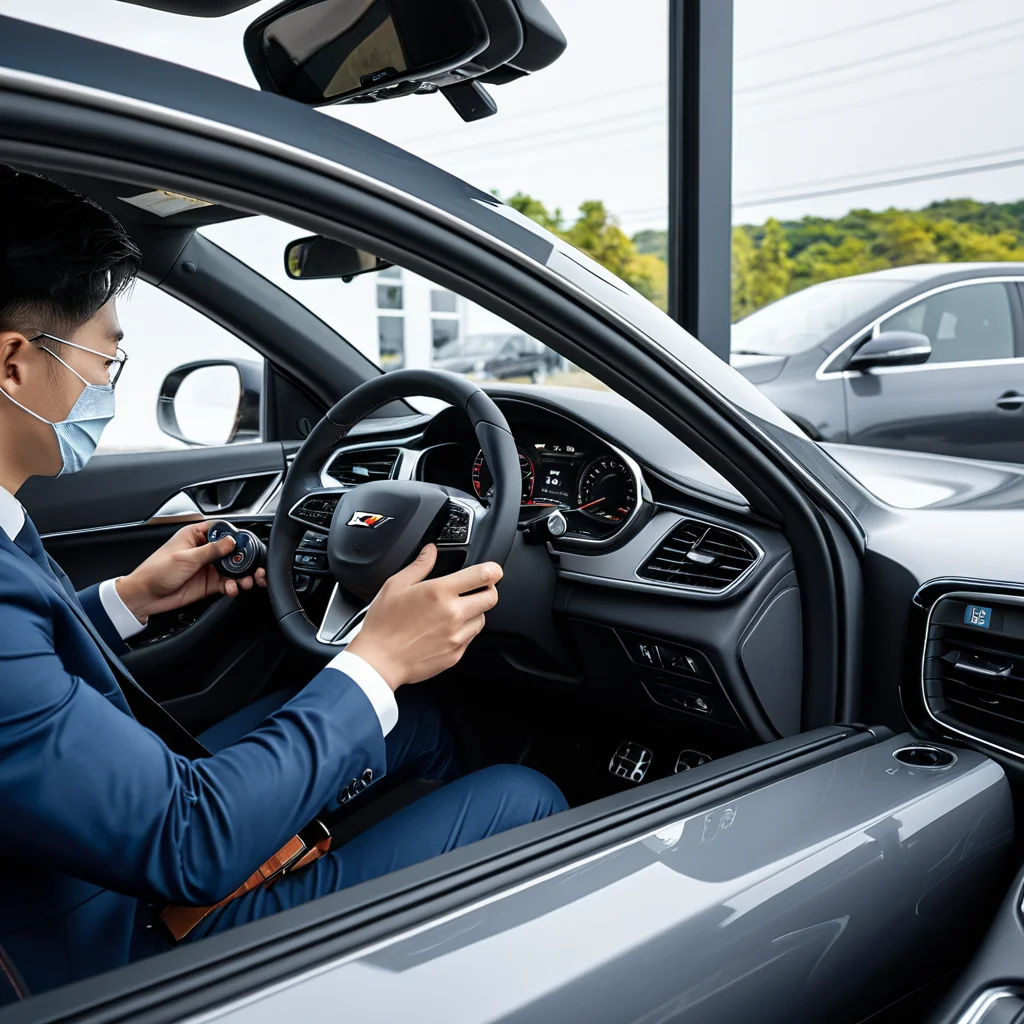
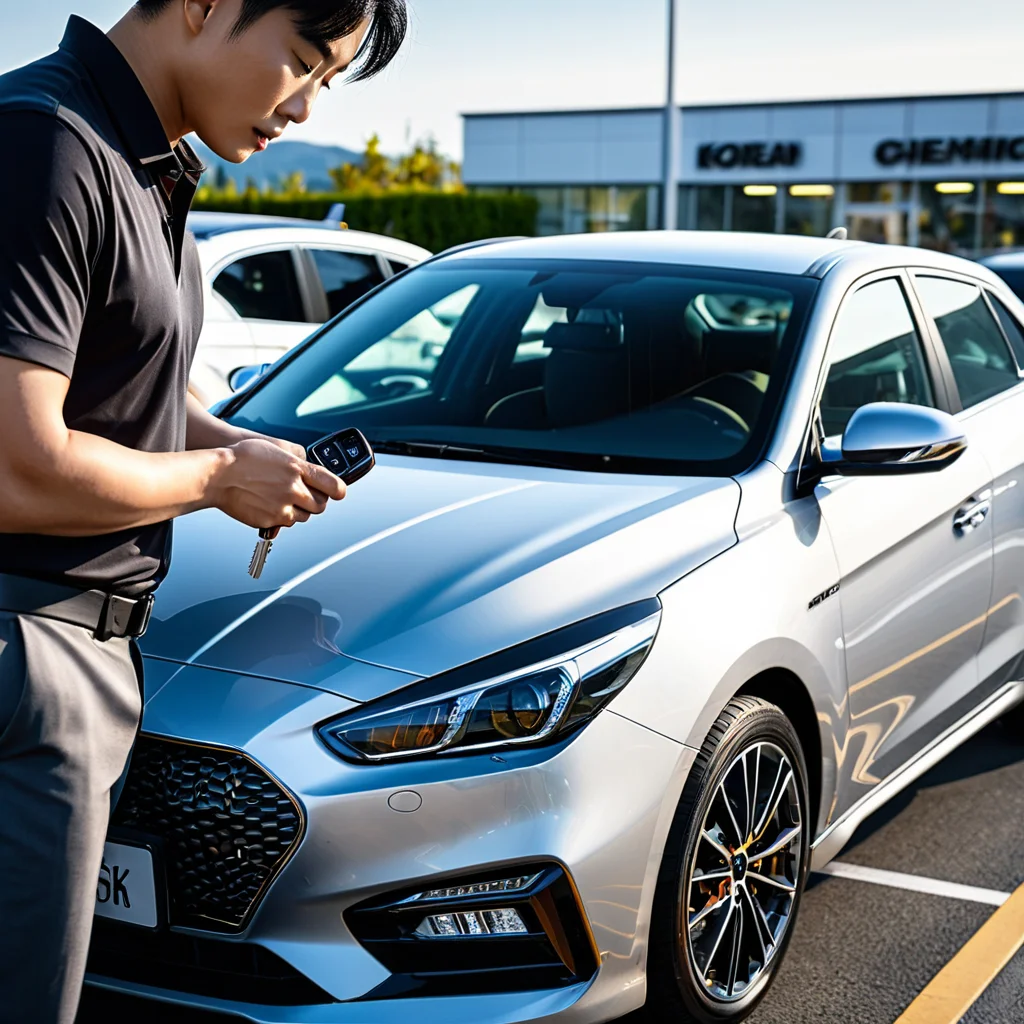
Just picked up a new car and wondering how to treat it in the first 1,000 miles? A few small habits now can reduce early wear and keep performance consistent.
🛒 추천 상품
What “New Car Break-In” Really Means
“New car break-in” is the short period where moving parts finish bedding-in under real-world load. Even with modern machining and factory testing, heat cycles, friction surfaces, and seals stabilize through normal driving.
- Goal: avoid repeated extremes so components settle evenly.
- Timeframe: commonly the first 1,000 miles (sometimes longer depending on powertrain).
- Best reference: your owner’s manual break-in notes (they vary by model).
Source: Manufacturer owner’s manual, 2024
First 1,000 Miles: Core Driving Rules
During the engine break-in period, the safest approach is controlled variety. Long, steady cruising at one speed can be as unhelpful as aggressive launches because it repeats the same load and temperature pattern.
New car driving tips that consistently work:
- Vary speed and RPM: change pace every few minutes rather than holding one exact speed.
- Use smooth inputs: gradual throttle, progressive braking, gentle steering.
- Keep it moderate: avoid frequent redline, full-throttle pulls, or repeated high-speed runs.
- Warm up normally: drive off after a short stabilization (no long idling needed).
If you want one simple rule for the first 1,000 miles: moderate load + varied RPM.
Source: Manufacturer owner’s manual, 2024
- Vary RPM and speed to avoid repeating the same load pattern.
- Avoid extremes (hard launches, repeated high-speed cruising, heavy towing).
Engine & Transmission Break-In

Break-in is not just about the engine. The transmission, differential, and even the braking surfaces benefit from consistent, non-abusive use early on.
Engine (gasoline/diesel)
- Load matters more than speed: short bursts of moderate acceleration are fine; repeated maximum load is not.
- RPM variation: avoid sitting at one RPM band for long stretches.
- Temperature cycles: normal drive–cool–drive patterns help components stabilize.

Automatic vs. manual transmission
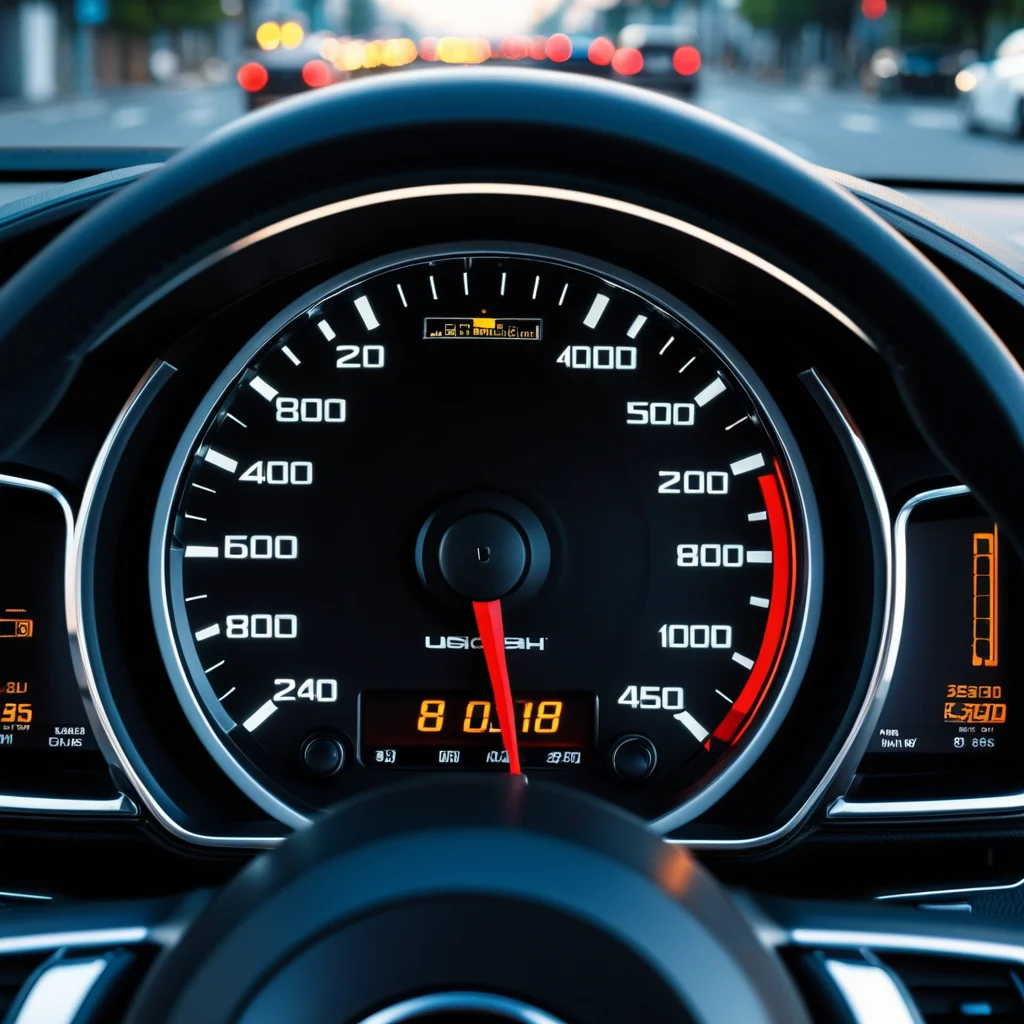
- Automatic: avoid repeated kickdowns at high RPM; keep shifts smooth and predictable.
- Manual: avoid aggressive clutch slips and hard launches; shift cleanly and don’t lug the engine in too high a gear.
Source: Manufacturer owner’s manual, 2024
What to Avoid During Break-In
To protect long-term efficiency and reliability, the “don’ts” are often more important than the “dos.” The patterns below can create uneven wear or excessive heat early on.
- Heavy towing or maximum payload unless your manual explicitly allows it during break-in.
- Hard braking repeatedly (except emergencies). New pads/rotors need controlled bedding.
- Track-style driving or repeated high-speed runs.
- Long, steady highway cruising at one speed for hours—mix in gentle speed changes.
- Short trips only for days on end; combine errands so the powertrain reaches stable operating temperature.
Tip: If your commute is all highway, try small speed variations within legal limits and occasional gentle acceleration/deceleration to keep the load from being identical for long stretches.
Source: Manufacturer owner’s manual, 2024
Break-In Differences by Vehicle Type
Not every new car break-in is identical. Hybrids and EVs change what “engine break-in period” even means, but early habits still affect driveline, brakes, and tires.
| Category | ICE (Gas/Diesel) | Hybrid / EV |
|---|---|---|
| Primary focus | Engine + transmission bedding-in | Driveline + brakes + tires (engine may run intermittently in hybrids) |
| What to vary | RPM and load, speed patterns | Acceleration levels, regen/braking balance, speed patterns |
| Key “avoid” | Repeated full-throttle/high RPM | Repeated maximum torque launches; heavy regen-only stopping for every stop early on |
| Brake bedding | Normal progressive braking | Include some friction braking so pads/rotors seat (don’t rely only on regen) |
Source: Manufacturer owner’s manual, 2024

Conclusion & Quick Checklist
You don’t need to baby a new car, but you do want to be intentional. For the first 1,000 miles, moderate load, varied speed/RPM, and avoiding repeated extremes are the habits that pay off.
- Drive smoothly and vary your pace.
- Avoid heavy towing and repeated maximum acceleration.
- Mix braking styles and keep early stops progressive.
- Follow the manual first when it conflicts with general advice.
Tip: If you’re unsure whether a behavior is “too much,” keep it moderate until the odometer passes 1,000 miles—then ramp up gradually instead of all at once.
Source: Manufacturer owner’s manual, 2024
더 많은 정보가 필요하신가요?