⚠️ 아토비아의 파트너스 및 제휴 마켓을 연결하는 페이지입니다. 이에 따른 활동으로 제휴 업체로부터 소정의 수수료를 제공받습니다. 할인 혜택은 정책에 따라 수시로 변동될 수 있습니다! 여러분께 추가로 부과되는 비용은 전혀 없으니 안심하세요! 아이템 찾는 시간을 아끼는데 많은 도움이 되었길 바랍니다!
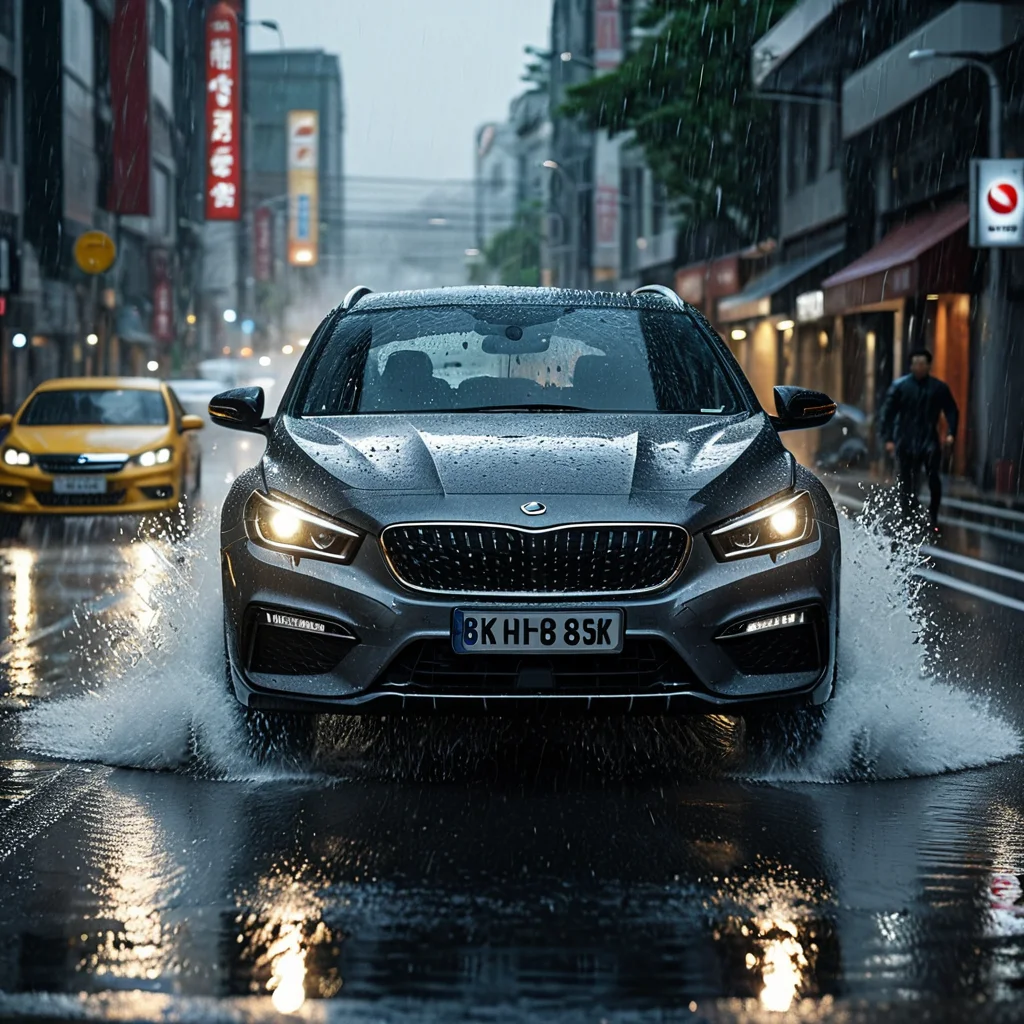
Ever parked ‘just for a minute’ during a downpour and returned to water rising around your wheels? In monsoon season, small choices can turn into big repair bills—especially when flooding hits fast.

🛒 추천 상품
Why Monsoon Season Is Risky for Cars
Monsoon damage rarely comes from rain alone. The biggest threats are standing water, reduced traction, and electrical exposure. Water can enter through door seals, cabin air intakes, or low-lying wiring routes, then travel into connectors and modules. Even if the engine keeps running, hidden moisture may cause delayed faults (warning lights, sensor errors, intermittent starts).
Another high-risk scenario is driving into water that looks shallow but hides a dip. Once water reaches the intake level, the engine can ingest water and lock (‘hydrolock’), which may lead to severe internal damage.
Source: Ministry of Land, Infrastructure and Transport, 2024
Essential Car Maintenance Before Heavy Rain
Preventive checks reduce both accident risk and post-rain repair costs. Prioritize these items before the rainy weeks:
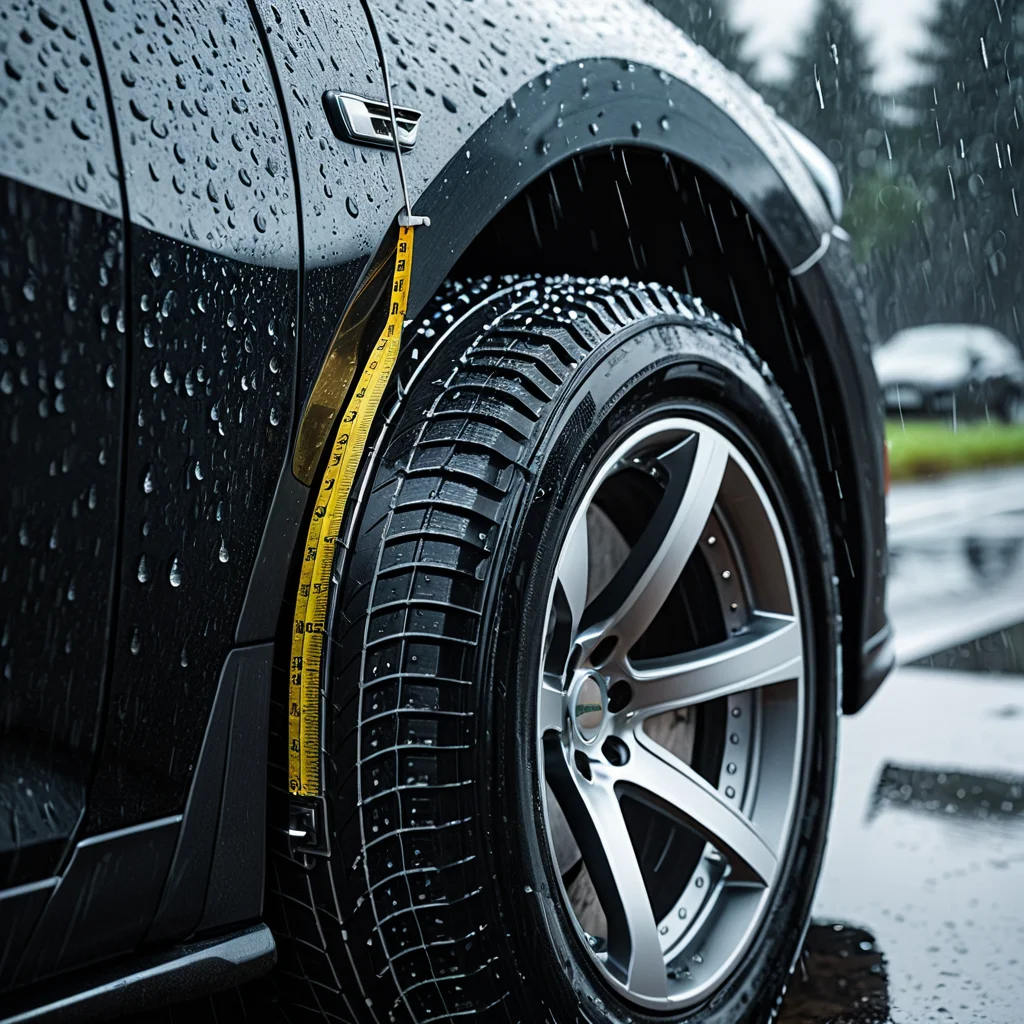
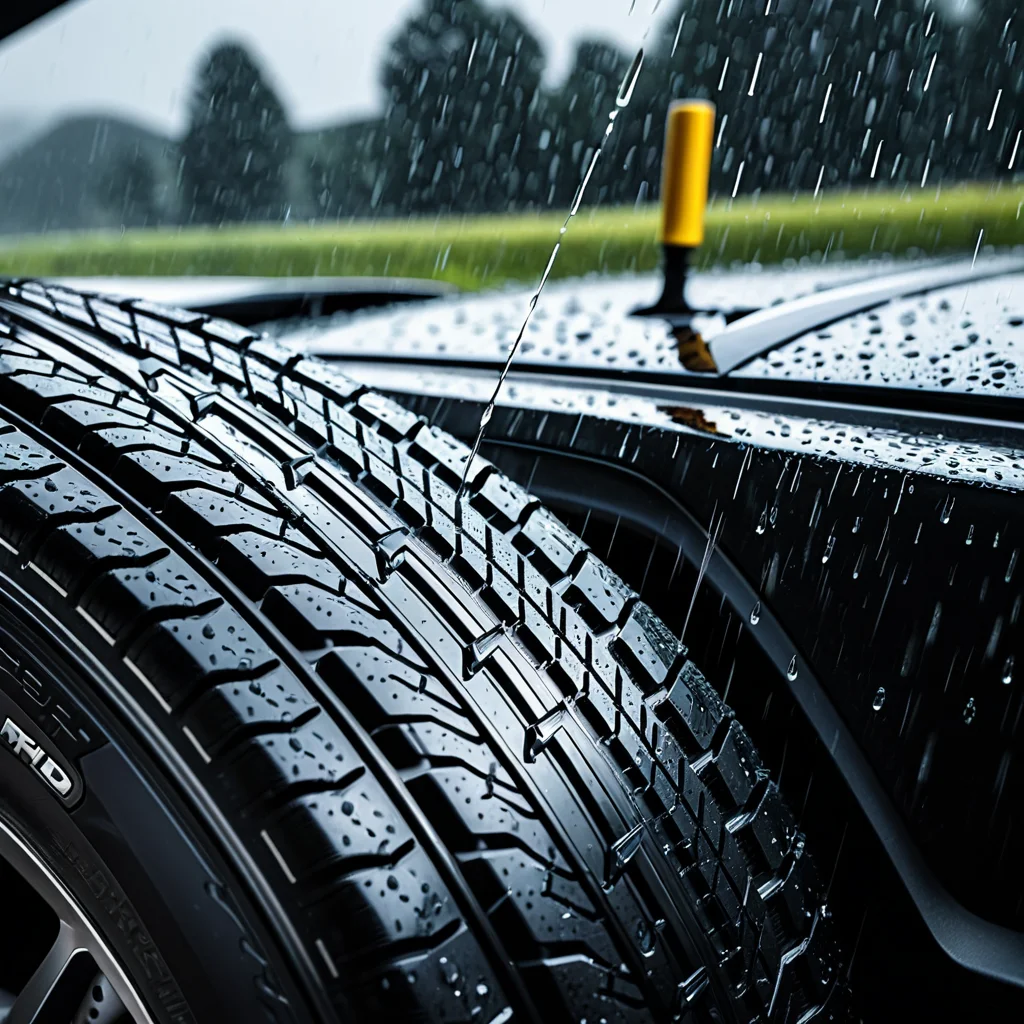
- Tires: Confirm tread depth and even wear. Poor tread increases hydroplaning risk and lengthens braking distance.
- Brakes: Listen for grinding/squeal and confirm pedal feel. Wet roads magnify weaknesses in pads and rotors.
- Wipers & washer fluid: Replace streaking blades and keep washer fluid topped up for muddy spray.
- Lights & defogging: Verify headlamps, brake lights, and fogging/defogger function for visibility.

- Battery & terminals: Corrosion and weak batteries show up during humid weather; clean terminals and check health.
- Door seals & cabin filter: Cracked seals and clogged filters increase cabin humidity and water ingress.
Tip (quick and practical): If you only have 10 minutes, check tire condition and wipers first—those two improve safety immediately in heavy rain.
Source: Hyundai Motor Company, 2023
- Tires + wipers deliver the fastest safety gain in heavy rain.
- Avoiding water intake exposure is more important than ‘pushing through’ a flooded road.
- After any water exposure, do not start the engine until inspection if flooding is suspected.
Safe Driving Practices During Heavy Rain
In heavy rain, the goal is to keep traction and visibility predictable. Drive with lower speed, longer following distance, and smoother inputs. Sudden steering or braking increases the chance of hydroplaning, especially in pooled lanes or worn asphalt.
- Use lights early: Be seen before it gets truly dark; avoid high beams in dense rain/fog.
- Brake earlier: Start slowing down sooner than usual and avoid abrupt pedal pressure.
- Watch water depth cues: If you cannot see lane markings or curb edges, treat it as a high-risk depth zone.
- Avoid wake riding: Do not follow large vehicles closely—spray reduces visibility and hides potholes.
Source: Ministry of Land, Infrastructure and Transport, 2024
What to Do If Your Car Is Flooded

If flooding is suspected, your first priority is safety and preventing secondary damage. Take these steps in order:
- Move to safety: If water is rising, exit the vehicle and move to higher ground.
- Do not restart the engine: Starting can pull water into the intake or damage electronics and starter circuits.
- Document the situation: Take clear photos of water level (inside and outside), location, and time.
- Arrange towing: Prefer flatbed towing to avoid drivetrain damage.
- Drying is not a ‘fix’: Cabin drying helps comfort, but hidden modules and connectors may still corrode.
Tip (keep it simple): If water reached the floorboard or higher, treat it as ‘do not start’ until a shop confirms the intake and electrical systems are safe.
Source: Kia Corporation, 2023
Repair Costs and Insurance Coverage Explained
Flood-related bills vary widely depending on how deep the water reached and whether the engine ingested water. Typical cost drivers include engine damage, electrical modules, interior drying/removal, and sensor replacement. Even ‘minor’ flooding can require extensive labor because carpets and insulation trap moisture and cause odor or mold.
| Item | Comprehensive (Own Damage) | Liability-Only |
|---|---|---|
| Flood damage to engine/electronics | Often covered (policy-dependent) | Not covered |
| Towing after flooding | May be included or optional add-on | Usually not included |
| Out-of-pocket risk | Deductible + exclusions | Most repair costs paid by owner |
| When to claim | Severe damage, high repair estimate | N/A (no own-damage claim) |
Practical approach: get a repair estimate first, then compare it with your deductible and potential premium impact. For older vehicles, insurers may treat severe flooding as a total loss if repair cost exceeds vehicle value.
Source: Ministry of Land, Infrastructure and Transport, 2024
Conclusion: Rainy Season Checklist for Car Owners
If you want the shortest path to safer monsoon driving, focus on tires, wipers, lighting, and water-avoidance. And if flooding happens, the most expensive mistake is trying to ‘see if it starts.’ Tow it, document the water level, and let a shop inspect intake and electrics first.
- Before rain: tires, wipers, lights, seals
- During rain: slower speed, longer distance, avoid pooled lanes
- After flooding: do not start, tow, document, inspect
더 많은 정보가 필요하신가요?