⚠️ 아토비아의 파트너스 및 제휴 마켓을 연결하는 페이지입니다. 이에 따른 활동으로 제휴 업체로부터 소정의 수수료를 제공받습니다. 할인 혜택은 정책에 따라 수시로 변동될 수 있습니다! 여러분께 추가로 부과되는 비용은 전혀 없으니 안심하세요! 아이템 찾는 시간을 아끼는데 많은 도움이 되었길 바랍니다!
Intro — Neck stiffness after studying, shoulders creeping up during interviews prep, or kids leaning too close to the screen at home—sound familiar? A monitor stand looks like a small accessory, but it can quietly change posture, focus, and daily stamina when you learn or work for hours.

Why a Monitor Stand Matters for Learning & Productivity
A monitor stand’s first job is simple: raise the screen to a healthier height. When the monitor sits too low, the head tilts forward, and the neck and upper back carry extra load. Over time, this can reduce comfort and shorten attention span during long study or work sessions.
For students and job seekers, the benefit is consistency. A stable setup reduces “micro-distractions” like shifting posture every few minutes. For office workers, it supports sustained keyboard and mouse use without collapsing the shoulders. For parents, it helps kids keep a safer viewing distance and reduces the habit of leaning in.
Key takeaway: a well-chosen stand is an inexpensive way to protect energy and maintain focus when screen time is unavoidable.
Source: Ministry of Education, 2022
How to Choose the Right Monitor Stand
Buying “any” monitor riser often leads to regret. Use these decision points to filter fast and avoid mismatches.
- Height & eye line: aim for the top third of the screen near eye level when sitting naturally. If you share the desk, adjustability matters.
- Adjustability: fixed risers are stable; adjustable risers fit multi-user homes or study rooms. If your chair height changes often, prioritize multi-step height settings.
- Desk fit: measure width and depth, and confirm you still have space for notebooks, textbooks, or a full-size keyboard underneath.
- Load & stability: check the stand’s weight rating. A stand that flexes creates subtle screen shake that fatigues the eyes.
- Material & heat: metal is sturdy and ventilates well; wood looks warm; plastic can be fine if reinforced. For laptop-on-stand use, ventilation is critical.
- Storage needs: drawers help with stationery; open space helps with large keyboards and books.
- Eye-level screen height is the fastest way to improve posture.
- Adjustability matters most when the desk is shared or used for both study and work.
- Stability + load rating prevents screen shake and long-session fatigue.

One-sentence checklist: If it lifts your screen to eye level, fits your desk, and stays stable under your monitor’s weight, it’s already a strong choice.
Monitor Stand Types Compared
There are three practical categories. The “best” depends on your desk size and how often you reconfigure.
| 항목 | Fixed Riser | Adjustable Riser | Monitor Arm |
|---|---|---|---|
| Best for | Stable study desks | Shared or multi-use desks | Small desks, flexible positioning |
| Height control | Low | Medium–High | High |
| Desk space | Moderate | Moderate | Best (frees surface) |
| Setup difficulty | Easy | Easy–Medium | Medium (clamp/grommet) |
| Price range | Low | Low–Mid | Mid–High |
| Common downside | Wrong height = no fix | Can wobble if lightweight | Not ideal for very thick desks |

Quick rule: if your desk feels crowded, a monitor arm is often the biggest upgrade. If you want simple and sturdy, a fixed riser wins—when the height is right.
Best Monitor Stand Recommendations by Use Case
Instead of chasing “the top product,” pick a stand style that matches your routine. These are practical, real-life recommendations for the people who study and work under pressure.
🛒 추천 상품
🛒 추천 상품
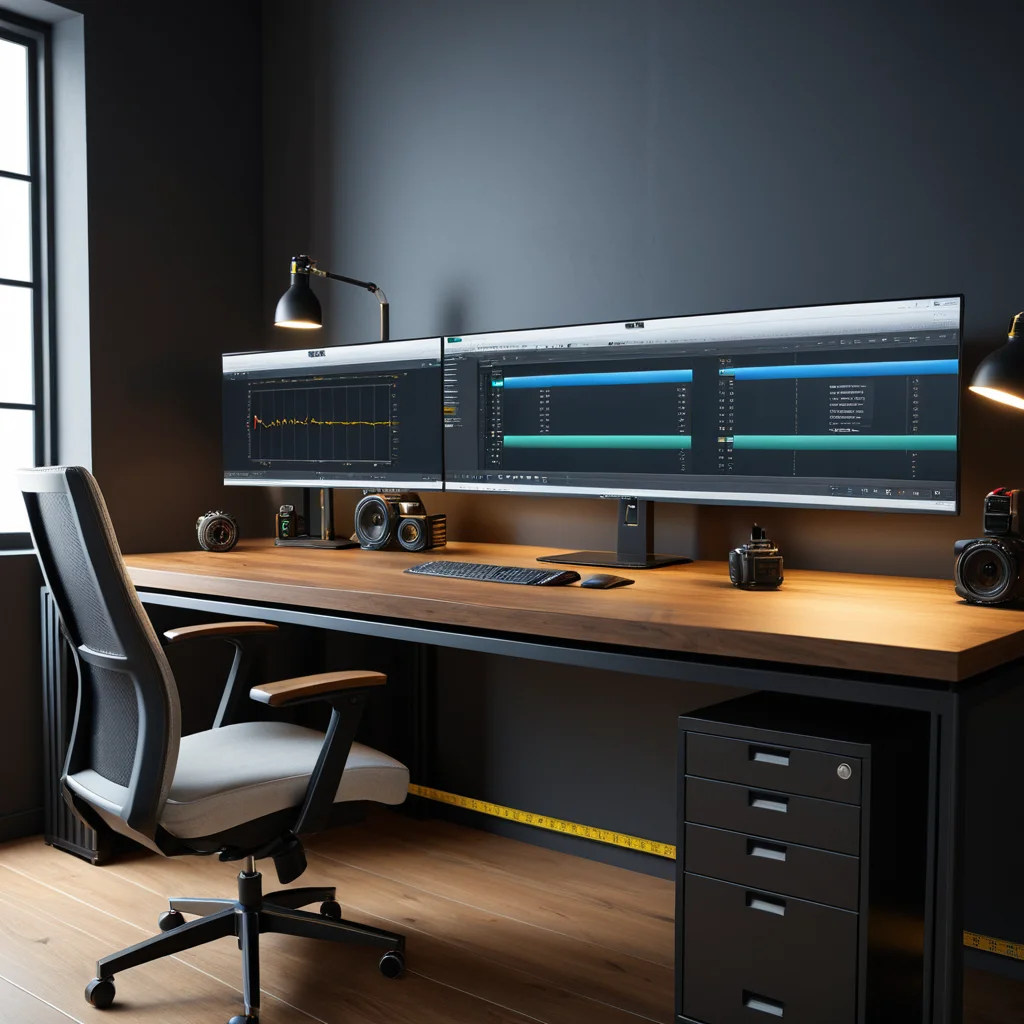
1) Students: best budget monitor stand for students
- Recommended type: Fixed riser or simple adjustable riser
- Why: affordable posture improvement, space under the stand for notebooks and keyboard
- Must-have spec: stable base + enough clearance for your keyboard size
Tip (conversational): If you’re pulling long sessions, prioritize stability over extra drawers. A shaky screen makes you tired faster than you think.
2) Job seekers: interview prep + portfolio building
- Recommended type: Adjustable riser
- Why: easier to match camera angle and screen height for online interviews and practice calls
- Must-have spec: height steps that allow “eye-level + slight downward gaze”
Pair it with a keyboard position that keeps elbows near 90 degrees, and you’ll look more confident on camera while feeling less tense.
3) Office workers: ergonomic monitor stand for office work
- Recommended type: Monitor arm (or heavy-duty adjustable riser if arms are not allowed)
- Why: best control for multi-monitor setups, frees desk space, easy micro-adjustments
- Must-have spec: compatible VESA mount + desk clamp fit + sufficient weight capacity
4) Parents & home learning: shared desk safety and focus
- Recommended type: Adjustable riser
- Why: one desk, multiple users—kids and adults need different heights
- Must-have spec: rounded edges, non-slip feet, easy-to-clean surface
One-sentence summary: Choose by lifestyle—students need stability, job seekers need adjustability, office workers benefit most from an arm, and families need flexible height.
Source: National Institute for Lifelong Education, 2021
Budget vs Premium: Which Monitor Stand Is Right for You?

Budget stands can be excellent when the height fits and the base is solid. Premium options become worth it when you need frequent adjustments, multiple monitors, or you’re serious about reclaiming desk space.
- Budget (good choice when): single monitor, stable desk, predictable sitting posture, limited space for accessories.
- Premium (worth it when): you adjust screen position often, share the desk, use dual monitors, or your desk feels cramped.
Decision shortcut: If you move your monitor more than once a week, consider an adjustable riser or arm. If you never move it, buy stability and keep it simple.
Conclusion: Build a Better Study & Work Environment
Summary: A monitor stand is not just a “desk decoration.” It’s a posture tool that protects your neck and keeps your focus steady. Start with eye-level height, confirm desk fit, then choose between fixed, adjustable, or a monitor arm based on how you study and work.
Practical tip (conversational): If you’re not ready to buy immediately, test your ideal height first—stack two sturdy books under the monitor for one day. If your neck feels lighter, you’ve already found the direction. Then choose the stand type that matches that height and your desk reality.
더 많은 비교/구매 정보가 필요하신가요?