⚠️ 아토비아의 파트너스 및 제휴 마켓을 연결하는 페이지입니다. 이에 따른 활동으로 제휴 업체로부터 소정의 수수료를 제공받습니다. 할인 혜택은 정책에 따라 수시로 변동될 수 있습니다! 여러분께 추가로 부과되는 비용은 전혀 없으니 안심하세요! 아이템 찾는 시간을 아끼는데 많은 도움이 되었길 바랍니다!
Ever rewatch a scene and wonder why it suddenly feels different? It’s usually not the plot twist. It’s the camera choice—how close it gets, how it moves, and how the light lands on a face. Once those patterns show up for you, movies become a little more addictive, because you can see the craft at work.
🛒 추천 상품
What Are Film Cinematography Techniques?
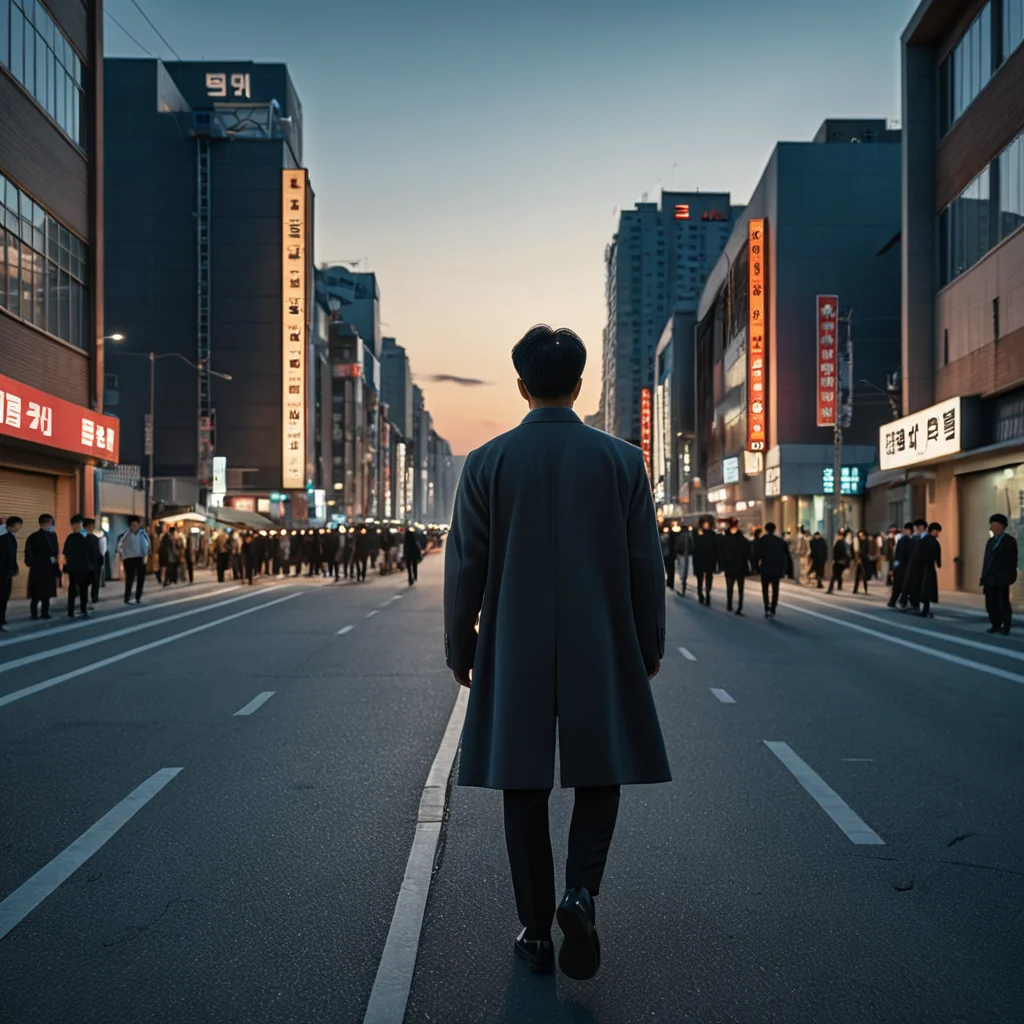
Film cinematography techniques are the visual tools used to shape story and emotion: shot size, camera angle, lens choice, movement, lighting, and composition. They decide what the viewer notices first, what feels important, and how a moment lands.
Cinematography is storytelling without dialogue. A calm wide shot can make a character feel small inside a big world. A tight close-up can make a tiny reaction feel like an earthquake. A slow push-in can signal realization; a sudden handheld shake can signal danger.
These techniques also create genre expectations. Horror often hides information in darkness and negative space. Romance tends to soften backgrounds and keep faces readable. Action favors movement and clear spatial geography so hits feel real.
Quick spot-check
- What is the camera prioritizing: space, face, or detail?
- Is the camera stable or restless?
- Does the lighting feel safe, neutral, or threatening?
출처: American Society of Cinematographers, 2023
Camera Shot Types That Shape Visual Storytelling
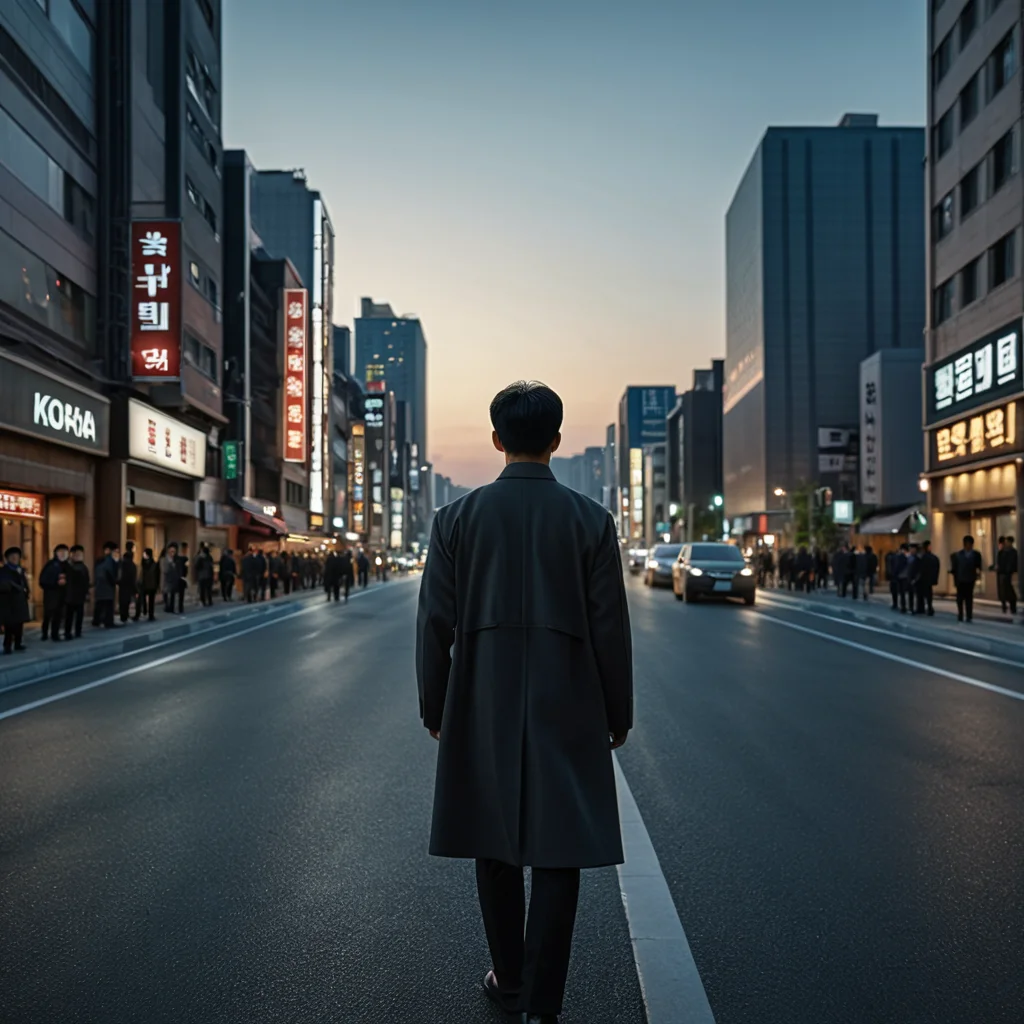
Shot types are the fastest way to change meaning. Without changing the script, switching from a wide shot to a close-up can turn a scene from observational to intimate.
Common shot sizes and what they do
- Extreme Wide Shot: Establishes scale, distance, isolation, or epic scope.
- Wide Shot: Shows full bodies and blocking; useful for action clarity and spatial context.
- Medium Shot: The default for conversation; keeps emotion readable while preserving environment.
- Close-Up: Raises emotional stakes and reveals micro-expressions.
- Extreme Close-Up: Turns an object or detail into a narrative clue or a pressure point.
- Wide shots help audiences understand geography and stakes.
- Medium shots balance character emotion and scene information.
- Close-ups convert small reactions into big story moments.
Practical checklist for spotting intent
- If the scene feels ‘bigger than the character,’ expect wider framing.
- If the scene feels ‘inside the character,’ expect closer framing.
- If a reveal is coming, watch for a size change right before the beat.
Dynamic Camera Movement Techniques

Camera movement changes perspective and energy. It can make you feel like you’re observing, chasing, hiding, or being pulled into a character’s mind. The trick is that movement only feels invisible when it matches the emotion.
| Technique | What it feels like | Best for |
|---|---|---|
| Pan / Tilt | Guided reveal | Following attention, showing new info |
| Dolly In / Out | Emotional pressure or release | Realization, suspense, intimacy |
| Tracking | Momentum and pursuit | Walk-and-talk, chase, exploration |
| Handheld | Urgency and realism | Conflict, documentary-style tension |
| Crane / Jib | Lift, grandeur, transition | Reveals, emotional crescendos |
Movement equals meaning. A stable tripod shot often feels controlled, formal, or detached. A smooth tracking shot can feel confident and cinematic. Handheld can feel raw, but if overused it can blur storytelling, so filmmakers deploy it with purpose.
Watch-for cues
- Slow push-in: a thought forming, tension tightening.
- Pull-out: distance, loss, or a bigger truth being revealed.
- Side tracking: journey, time passing, or inevitability.
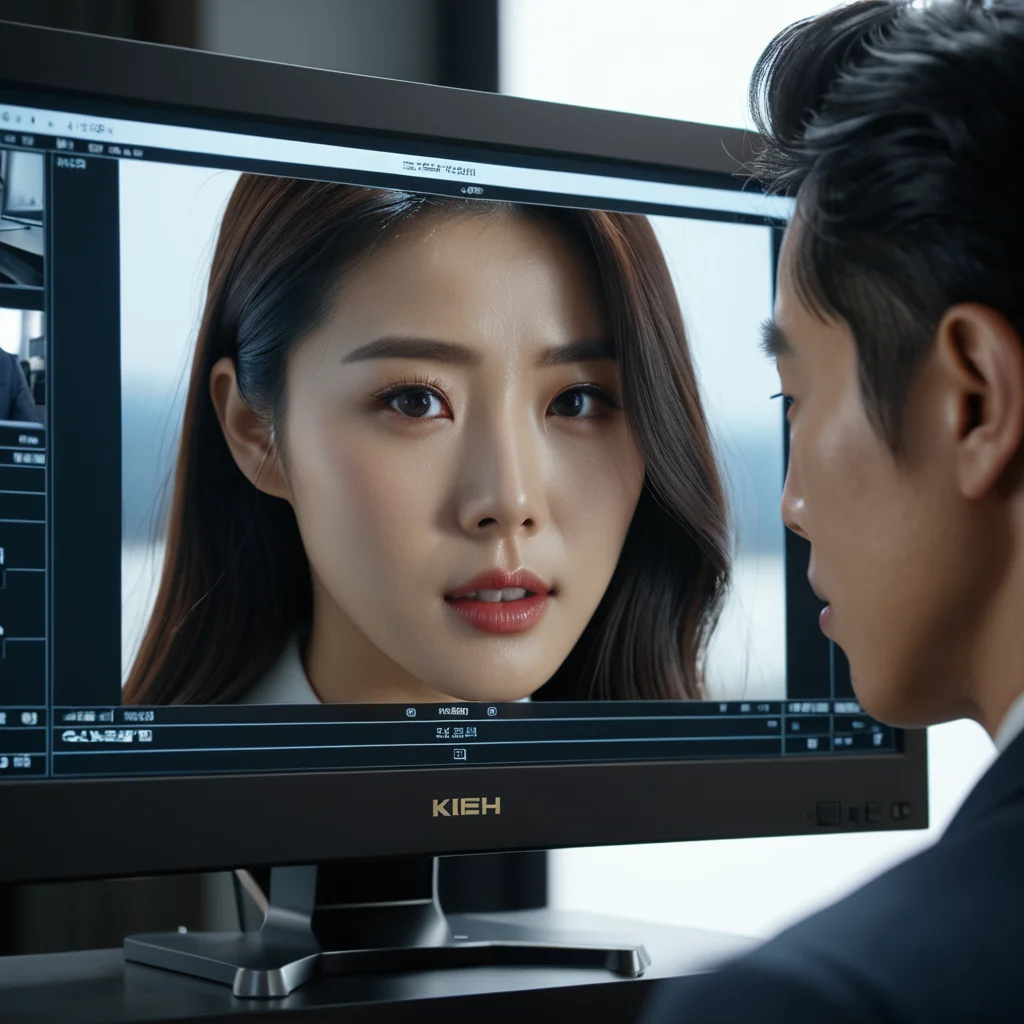
Cinematic Lighting Techniques in Film


Lighting is mood control. It shapes the face, hides information, and tells you how to feel about a room before anything happens.
High-key vs low-key
- High-key lighting: brighter, fewer harsh shadows. Often feels open, clean, comedic, or safe.
- Low-key lighting: deep shadows and high contrast. Often feels tense, secretive, dramatic, or dangerous.
Three-point lighting (key, fill, back) is a classic baseline, but films constantly bend it. Removing fill creates harder contrast; pushing backlight can turn a character into a silhouette; placing a key from below can feel unsettling.
Fast lighting checklist
- Can you clearly read the eyes? If not, the film may be hiding intent.
- Where is the brightest area? That’s where the story wants your focus.
- Do shadows feel soft or sharp? Soft tends to feel romantic; sharp tends to feel harsh or dangerous.
출처: StudioBinder Production Guide, 2022
Composition & Framing Directors Love
Composition is how elements are arranged inside the frame. It decides balance, emphasis, and subtext. Great composition feels inevitable—like the shot could only be that way.
Core composition techniques
- Rule of Thirds: Places subjects on strong grid points for natural focus.
- Symmetry: Creates formality, power, or eerie control.
- Leading Lines: Uses architecture or environment to point attention.
- Depth (foreground/midground/background): Makes the world feel layered and alive.
- Negative Space: Uses emptiness to suggest loneliness, fear, or anticipation.
Framing is emotional distance. Tight frames can feel intimate or trapped. Wider frames can feel free or abandoned. When a character is pushed to the edge of frame, it often signals imbalance, pressure, or a power shift.
Mini practice
- Pause any scene: what occupies the center, and why?
- Check headroom and space in front of the subject: does it feel comfortable or tense?
- Look for repetition: doorways, windows, hallways—frames within frames.
Conclusion
Now the next movie you watch has a hidden bonus layer. Shot types shape closeness, movement shapes energy, lighting shapes mood, and composition shapes meaning. If you want a simple habit: pick one technique per movie—only one—and keep spotting it until the credits roll. That tiny game makes your eye sharper fast, and the film’s choices start feeling loud in the best way.
더 많은 정보가 필요하신가요?