⚠️ 아토비아의 파트너스 및 제휴 마켓을 연결하는 페이지입니다. 이에 따른 활동으로 제휴 업체로부터 소정의 수수료를 제공받습니다. 할인 혜택은 정책에 따라 수시로 변동될 수 있습니다! 여러분께 추가로 부과되는 비용은 전혀 없으니 안심하세요! 아이템 찾는 시간을 아끼는데 많은 도움이 되었길 바랍니다!
Thinking about an EV because fuel prices feel unpredictable, but you’re worried about charging and resale value? That’s normal. Let’s make the decision feel clear and practical.
🛒 추천 상품
Why More Drivers Are Switching to EVs
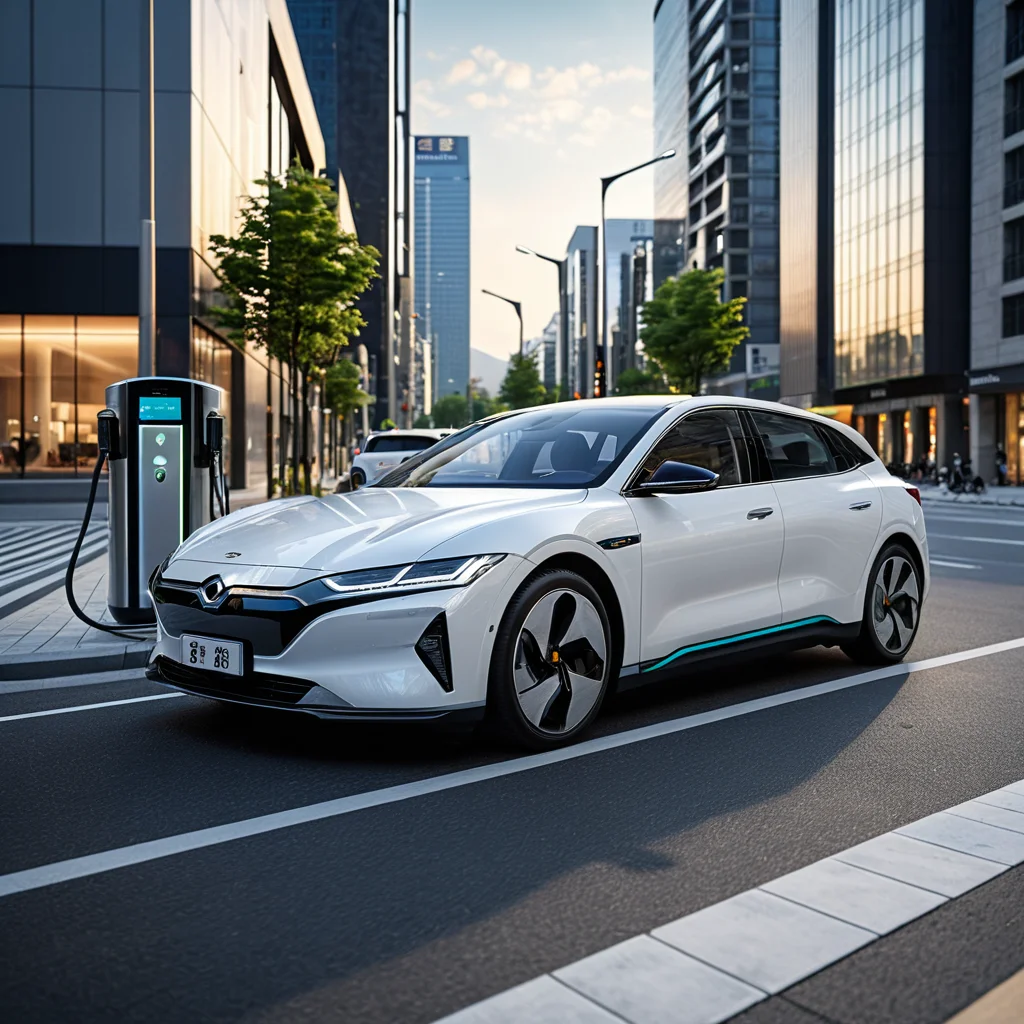
EV interest keeps rising for one simple reason: the ownership experience can be more predictable than internal combustion vehicles. Electricity pricing is often steadier than gasoline, EV drivetrains have fewer moving parts, and daily driving feels smoother due to instant torque and regenerative braking.
That said, an EV is not “automatically cheaper” for everyone. The outcome depends on how you charge, how many miles you drive, local incentives, and whether you keep the car long enough to realize lower operating costs.
- Best-fit drivers: predictable commuting, access to home/work charging, and moderate-to-high annual mileage.
- Not-ideal cases: no reliable charging access, frequent long-distance road trips in sparse charging areas, or short ownership periods with high financing costs.
Total Cost of Ownership: EV vs Gas Cars
Total cost of ownership (TCO) is where EV decisions become rational. Instead of focusing on sticker price alone, break the cost into five buckets: purchase price, financing, energy/fuel, maintenance & wear, and incentives/resale.
1) Purchase price and financing
- EVs can cost more upfront, but incentives may narrow the gap depending on eligibility.
- Financing matters: a higher APR can erase savings. Compare monthly payment + charging cost together.
2) Energy cost (electricity vs gasoline)
- Home charging is usually the lowest-cost scenario and the most convenient.
- Public fast charging can be significantly more expensive than home charging and can reduce the “fuel savings” advantage if used frequently.
3) Maintenance and wear items
- EVs typically avoid oil changes and have fewer engine-related services.
- Tires may wear faster on some EVs due to weight and instant torque; budget accordingly.
- Brake wear can be lower because regenerative braking reduces reliance on friction brakes.
4) Resale value and model cycle
- Resale depends on brand strength, battery warranty, charging standard compatibility, and rapid tech updates.
- Choosing popular trims and widely supported charging standards generally helps liquidity.
| Cost Item | EV | Gas Car |
|---|---|---|
| Upfront Price | Often higher; may be offset by incentives | Often lower; fewer incentive offsets |
| Energy/Fuel | Lowest with home charging; fast charging can cost more | Variable; depends on fuel prices |
| Routine Maintenance | Fewer drivetrain services; no oil changes | Regular oil/engine-related maintenance |
| Wear Items | Tires can be higher; brakes often lower | Tires normal; brakes depend on driving style |
| Resale | Depends on battery warranty, charging standard, demand | Well-understood market; varies by segment |
- TCO는 “월 납입금 + 실제 충전비”로 함께 봐야 체감이 정확합니다.
- 집에서 충전 가능한지가 비용과 만족도를 가장 크게 좌우합니다.
- 빠른 충전 의존도가 높을수록 EV의 경제성은 줄어듭니다.
출처: Ministry of Land, Infrastructure and Transport, 2024
Charging Options and Infrastructure

Charging is the make-or-break factor for first-time buyers. Think in terms of your weekly routine: where the car sleeps, how many miles you drive per day, and how much charging time you can tolerate.
Home charging (best for most owners)
- Level 1 (standard outlet): slow but workable for very low daily mileage or as a backup.
- Level 2 (wallbox/240V): the practical default; replenishes meaningful range overnight.
- Installation cost varies by panel capacity and distance to the parking spot; get quotes and confirm building rules.
Workplace and destination charging
- Often cheaper than fast charging and can cover most weekly needs if reliably available.
- Check access rules (hours, parking enforcement, payment apps) before relying on it.
Public fast charging
- Ideal for road trips and top-ups, but not always the cheapest approach for daily use.
- Charging speed depends on the car’s peak rate, battery temperature, state of charge, and station capability.
- Choose a vehicle that supports the charging standard most common in your region and travel routes.
Tip (conversation-style): If you can’t charge at home, it’s still possible—but treat it like choosing an apartment without a nearby grocery store. You can do it, but daily friction adds up.
출처: Ministry of Land, Infrastructure and Transport, 2024

Real-World Range, Battery Life, and Warranty

Range is rarely about the absolute number on a brochure; it’s about how range behaves in your life. Real-world range can drop due to speed, cold weather, HVAC use, heavy loads, and aggressive driving. Planning should be based on your worst common day, not your best day.
How to estimate the range you actually need
- Daily commute buffer: target at least 2–3x your daily miles if you want stress-free ownership without daily charging.
- Seasonal reality: expect range to decrease in cold conditions; add extra buffer if winters are harsh.
- Charging habits: frequent fast charging is convenient, but a home-charging routine is typically gentler and cheaper.
Battery degradation: what matters most
- All lithium-ion batteries lose capacity over time; the key is whether that loss stays within a manageable range during your ownership window.
- Thermal management and software controls can significantly influence long-term health.
- Repeated high-heat fast charging and leaving the battery at very high state-of-charge for long periods can increase wear.
Warranty and service clarity
- Compare battery warranty terms carefully (coverage period, mileage limit, capacity retention criteria).
- Confirm where high-voltage service is performed and typical turnaround time in your area.
출처: Hyundai Motor Company, 2025
Incentives and Eligibility Checks
Incentives can materially change the effective purchase price, but eligibility rules can be strict. Treat incentives as “possible savings,” not guaranteed savings, until you confirm your exact trim and registration conditions.
Common incentive variables to check
- Vehicle requirements: MSRP caps, battery criteria, or model/trim lists.
- Buyer requirements: income thresholds, residency rules, or ownership duration requirements.
- Timing and funding: some programs are first-come-first-served or change by fiscal year.
Practical approach
- Shortlist 2–3 models, then validate each exact trim’s eligibility.
- Compute your “all-in” price using the same method across vehicles: purchase + fees − confirmed incentives.
출처: Ministry of Land, Infrastructure and Transport, 2024
Conclusion: Your EV Purchase Checklist
If you want the decision to feel simple, focus on the few variables that move the outcome most: charging access, monthly cash flow, and range on your worst common day. Everything else is secondary.
Here’s a practical next step you can do today: write down your weekly mileage, identify your most reliable charging location, and price your ownership using “monthly payment + real charging cost.” If those numbers work, the rest is mostly preference.
- Charging: Home or reliable workplace charging confirmed
- Budget: Monthly payment + charging fits your target
- Range: Comfortable buffer for commute + seasonal drop
- Warranty: Battery coverage terms reviewed
- Incentives: Eligibility checked for your exact trim
더 많은 정보가 필요하신가요?